
In traditional Chinese writing, the use of calligraphy to express knowledge, history and story through the written word has existed since ancient times. Though the scroll may have evolved into the book (and now the ebook?) the collection of various writings into a bound paper form continues to this day.
For Project 3 of Studio One a bookshop was to be designed within the context of the developing Southport Chinatown. This blog post shall showcase the final design outcome of this project and discuss the concepts behind the design of the bookshop.
The Location
The bookshop is to be located in the Western corner of the area designated as the Southport Chinatown by the Gold Coast City Council. The Project brief discussed placing the shop design within a hypothetical shopping mall on this Western corner. However, On this site, the construction of two large tower developments known as The Cienna has been proposed and as such the design of the bookshop took this into account with regard to design influences. The Cienna development aims for a high quality, near luxurious experience and because of this, the bookshop design aimed for a feeling of lux mixed with traditional elements of Chinese Culture.
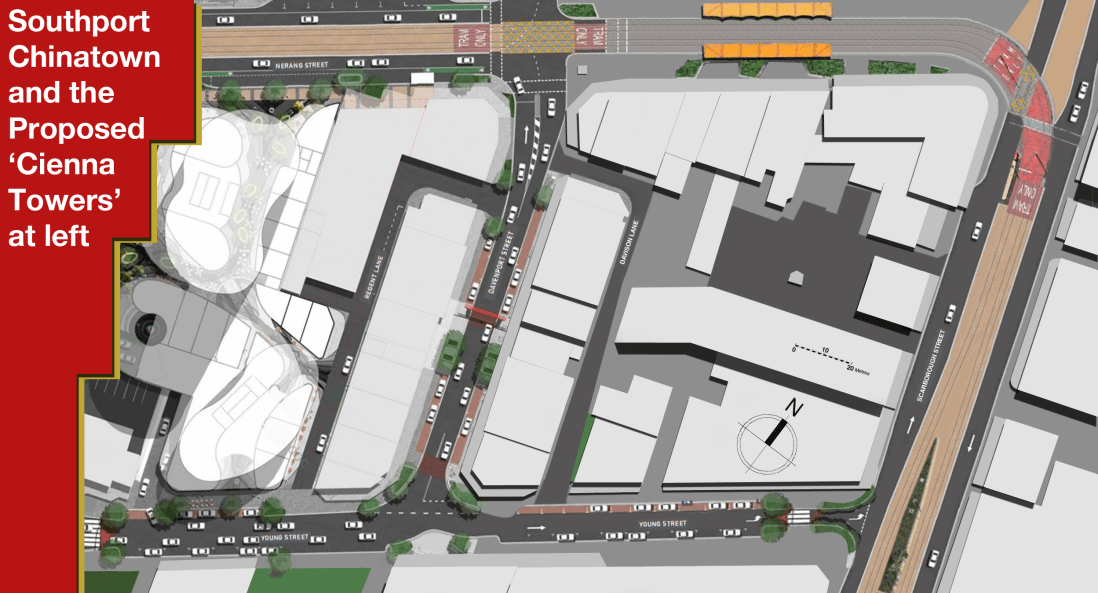
What’s in a Name?
Naming a bookshop can be tricky. But in the case of this project, the inspiration was found in ancient Chinese history. The expressing ‘The Four Treasures of the Study’ has its roots in the early 4th Century CE and denotes the four implements that would be used by Chinese scholars to create texts or bodies of work namely; the brush, the ink, the paper, and the ink stone respectively.
In the same way that these implements were treasured for their ability to inscribe knowledge, so too must books be treasured for their ability to store and spread knowledge throughout a community. Because of this, I have named the bookshop in this project ‘The Treasures of the Study’.
Project Concepts and Inspirations
The core concept at the heart of this design project is that of enlightenment. The process of enlightenment can take quite some time, but an essential tool of this process of learning, realisation and broadening of one’s own perspectives, is the book and the written word. It is from the idea of enlightenment that one of the major design elements of this book shop originates; light.
The Chinese concept of traditional building design has also played a role in the design of this bookshop. This traditional design calls for all structures to be arranged around a central Courtyard to enclose and protect this space from external forces and in so doing creating a zone of tranquility within the layout of the structure. This particular idea has been transposed into the bookshop design through the use of a central void space which cuts through the mezzanine floor and creates faux ceiling sky light for illumination. The would be provided through a
This courtyard concept is extended to the ground floor through a set of three tiers aligned with the central void space. The hope of this design is to create a space that individuals can use as a meeting place, as a place to read or as a place to discuss various ideas or topics.

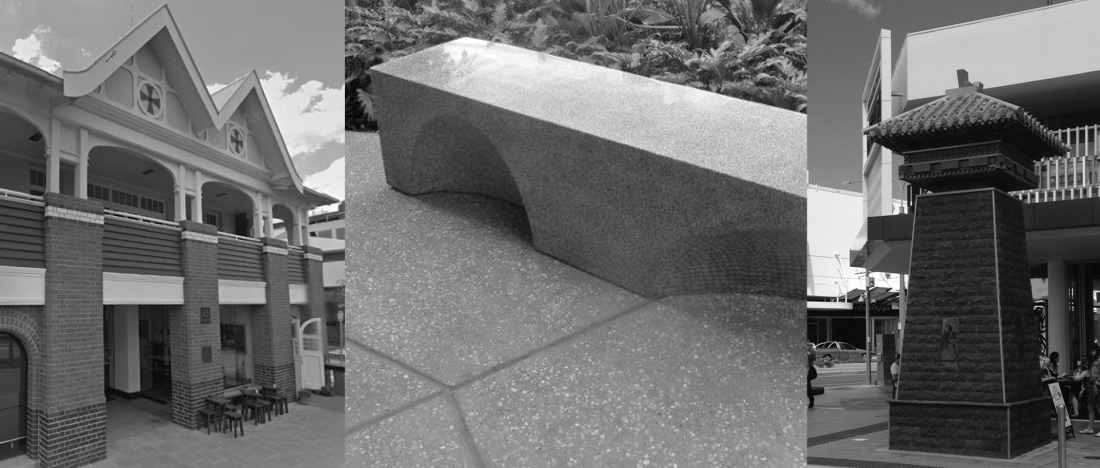
Pictured below (image C), is a photo snapshot of the structures and installations that have influenced the final shop design.
The old Southport Ambulance Station (Left) was used to determine the overall materiality of the shop design, namely wood and ceramics (stone in this case). The many cultural embellishments install by the GCCC around Chinatown such as benches and seats (Centre) have a simplistic nature of clean lines and it is this idea that I have attempted to incorporate into the Bookshop design.
The first Paifang to be installed into the new Chinatown is on the Eastern side of the zone (Right). This structure, built using a traditional design determined that a touch of traditional elements should be infused into the interior fit out. This extended to the layout of the bookshelves themselves which have been designed to reflect traditional Chinese detailing that can be found on railings, window covers and ornamentation.
Five main materials have been chosen as apart of the interior fit out visible in the samples below (image D). Glass, Aluminium, and Slate hearken to modern tastes and design trends. Whilst the use of dark Chinese marble flooring and Hei Suanzhi timber (which is a form of rosewood) introduces a traditional touch whilst also contributing to the feeling of lux and opulence.

Bookshop Design
A small lift will be built to allow wheelchair and pram access to the mezzanine floor for those unable to use the stairs at the rear of the shop.
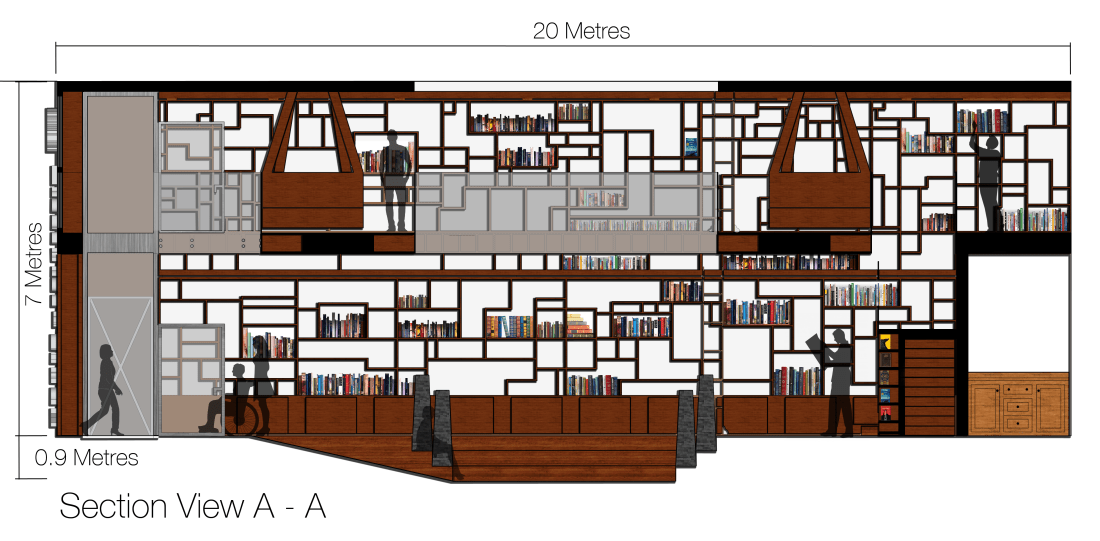
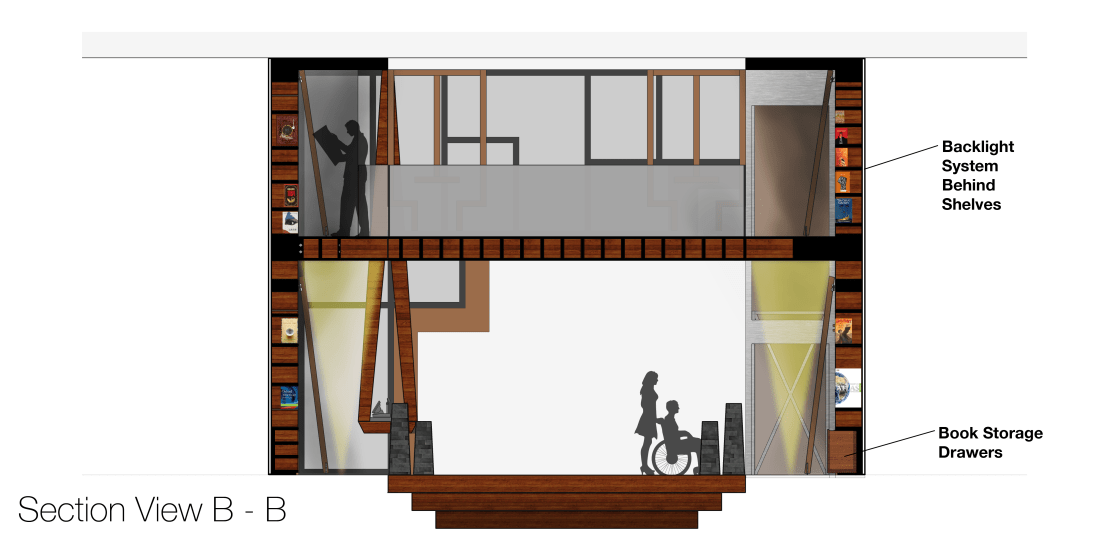
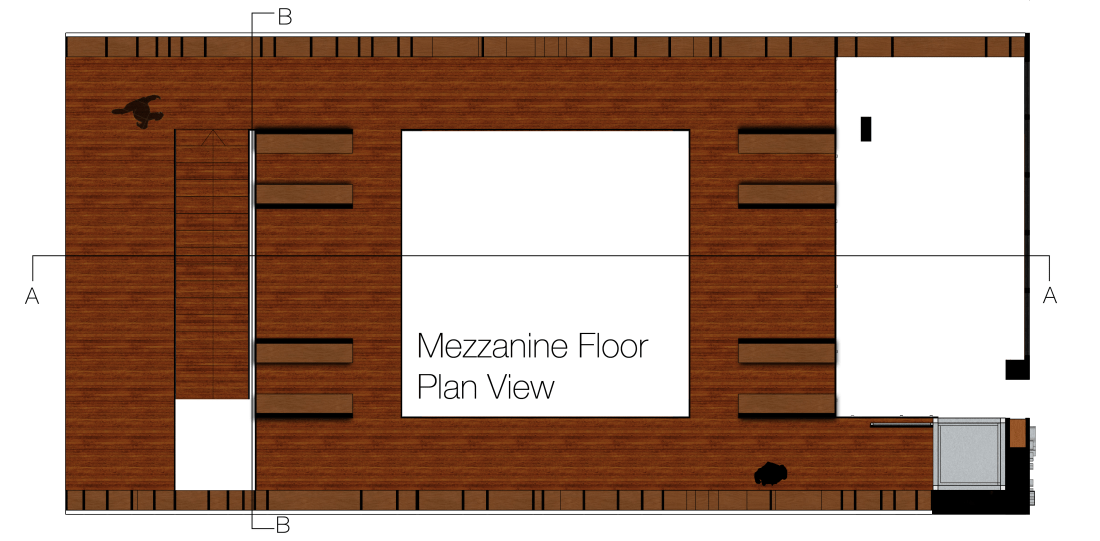
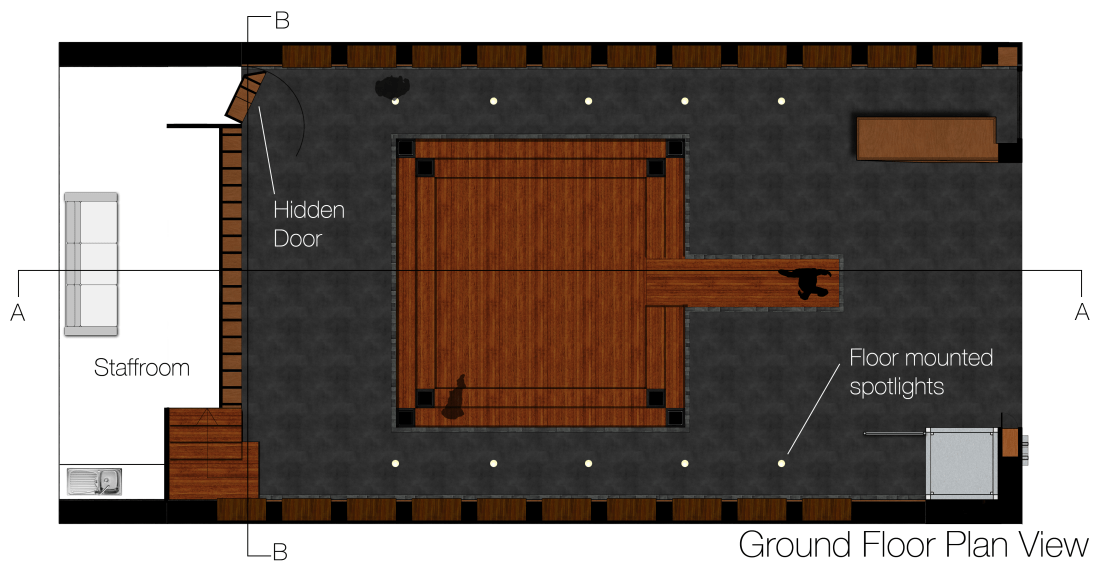
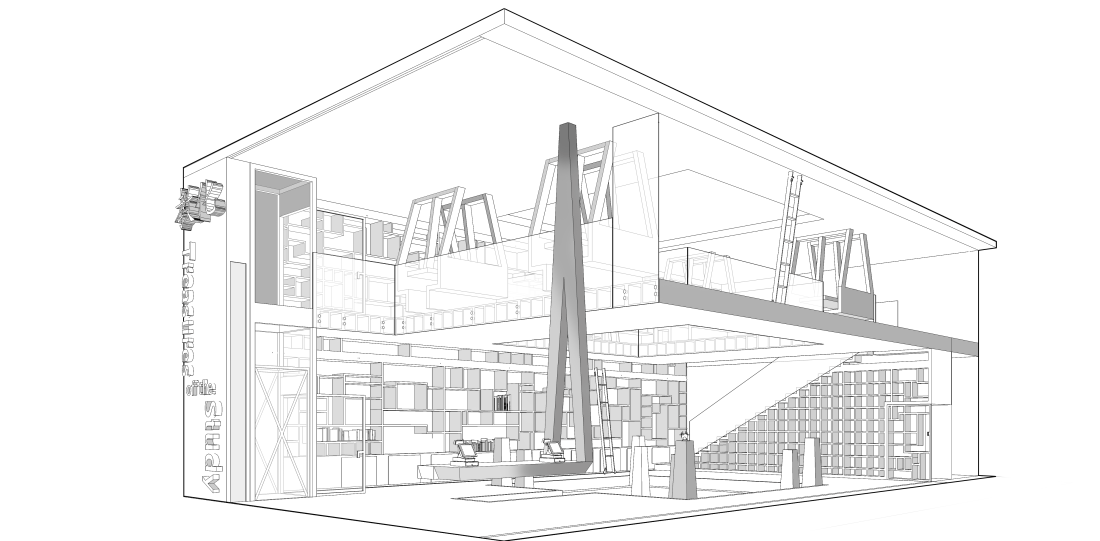
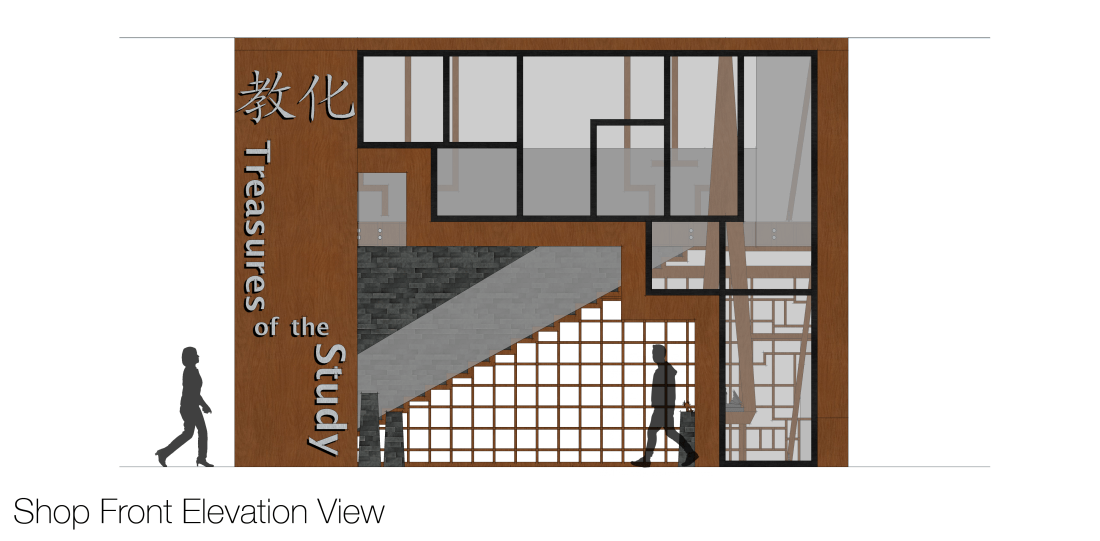
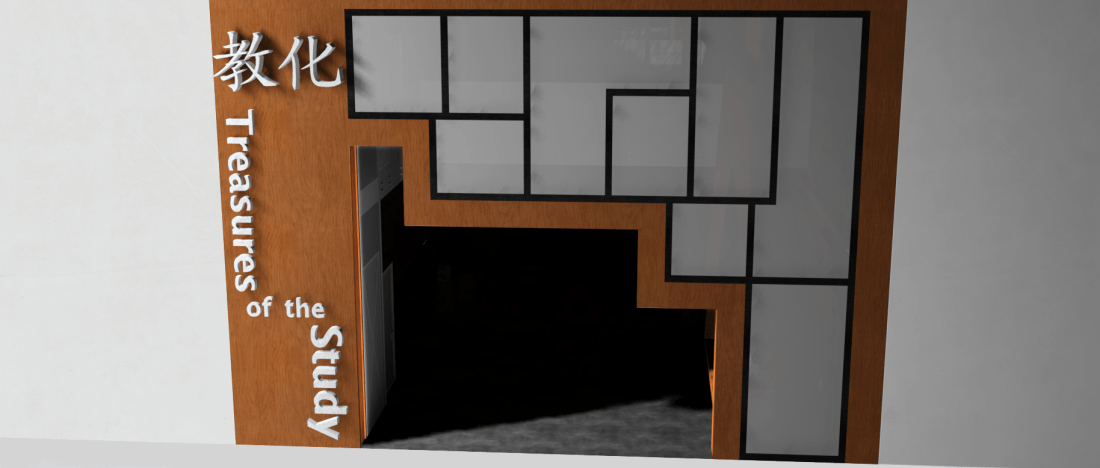
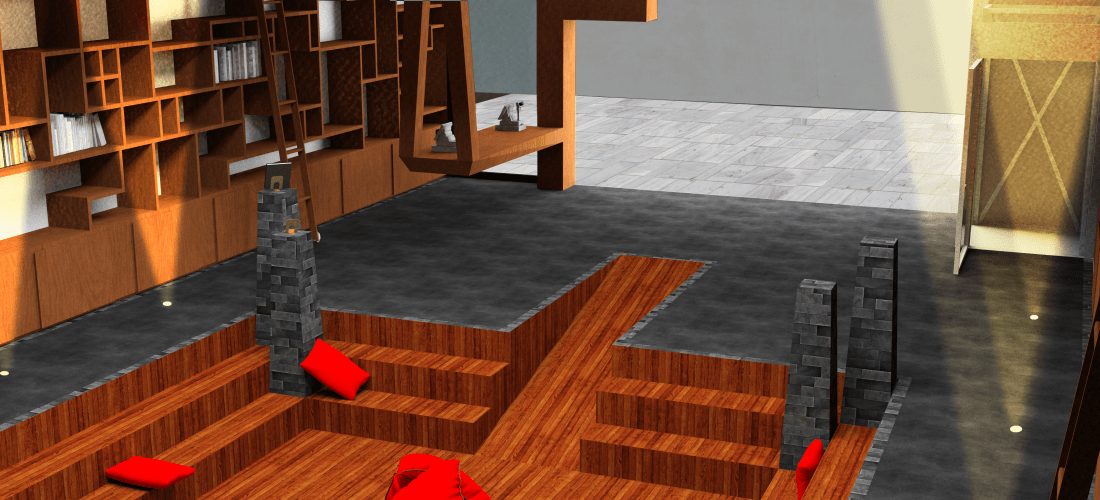

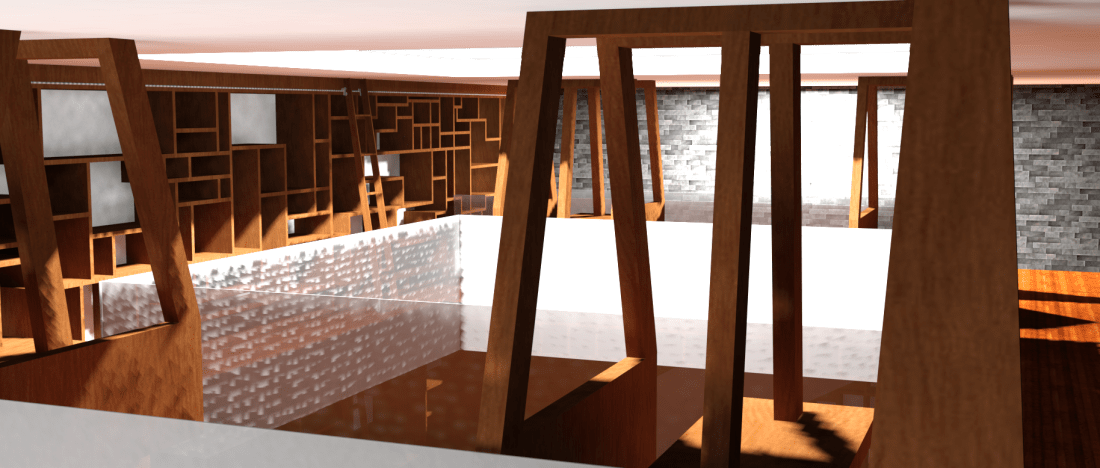
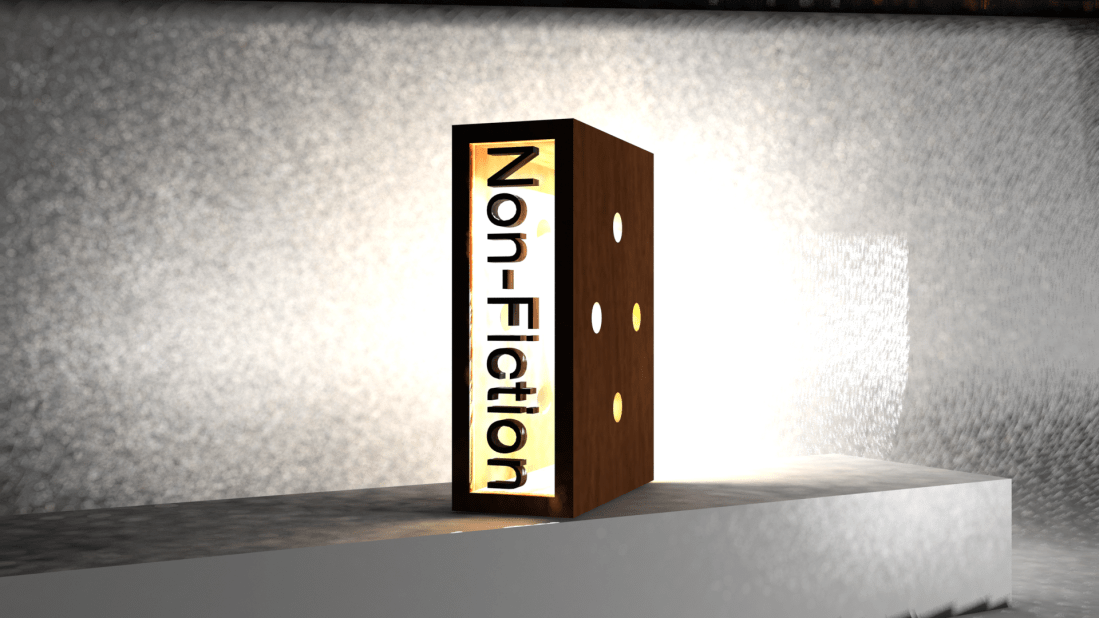
Image O below depicts a light box that would be used throughout the shop to denote where each book section was laid out and could be moved depending upon requirements. They would contain strong LED lights and obtain power from an external source. These light boxes link with the concept of light and enlightenment, showing the way which ever section an individual desired.

 Harrison Dowling